Lars Russell · 2 September 2026
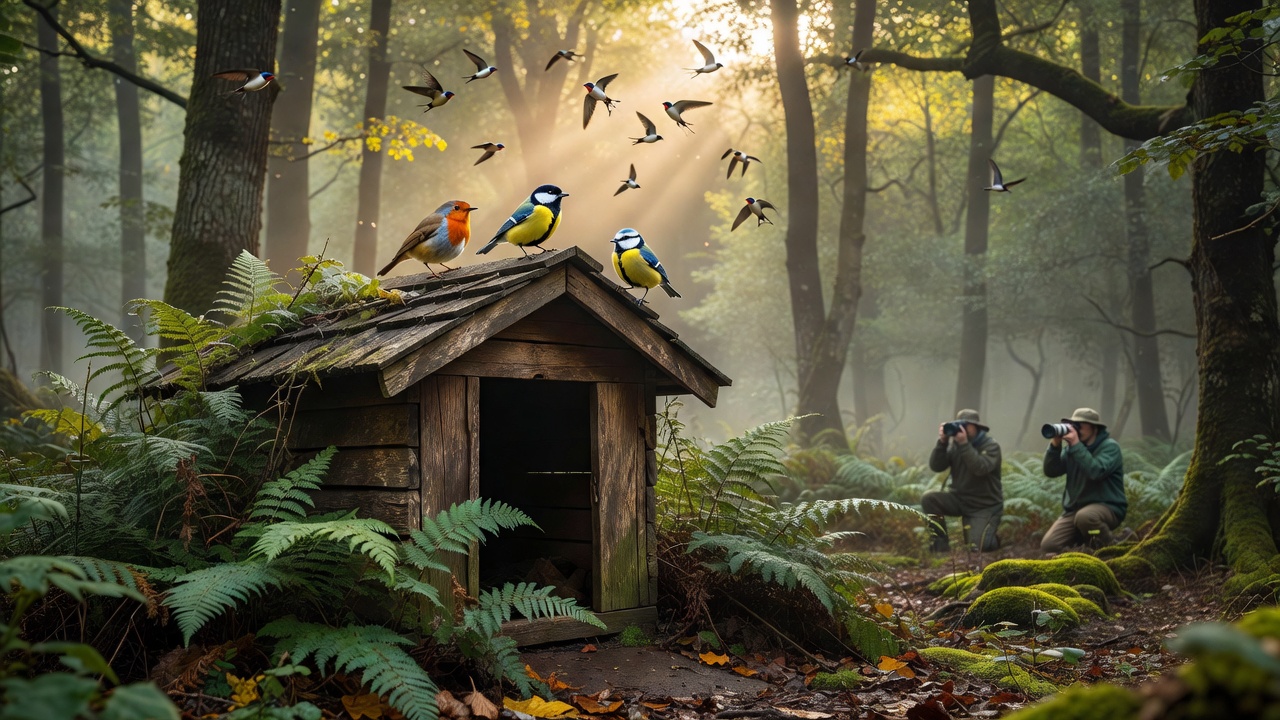
Local birdwatchers have documented a significant uptick in avian activity throughout Nookwood Woods in recent months. Data collected by the Nookwood Nature Society shows that sightings have risen steadily since the beginning of the year. Volunteers have logged over 120 different species, including several that were previously uncommon in the area. Among the most notable increases are those involving migratory songbirds such as the yellow warbler and the indigo bunting. These birds have been spotted in greater numbers near the woodland edges and along the creek beds. Additionally, raptors like the red-shouldered hawk have established more territories, possibly due to abundant prey populations. Citizen science apps have facilitated real-time reporting, allowing for a comprehensive database that tracks patterns over time. Weather conditions this season, characterized by consistent rainfall and moderate temperatures, appear to have supported better nesting success rates. Habitat restoration efforts initiated two years ago have also played a crucial role. Planting native vegetation has created more suitable environments for ground-nesting birds and those requiring dense undergrowth. Experts note that the absence of certain invasive plant species has further enhanced food availability for insects, which in turn supports the bird population.
Key Species and Observation Trends
Residents of Nookwood have embraced the findings with enthusiasm, organizing guided walks and educational workshops to share knowledge about local wildlife. Schools in the vicinity have incorporated bird observation into their science curricula, fostering an early appreciation for nature among students. The increase in sightings has also prompted discussions about expanding protected zones within the woods to prevent future disturbances from development projects. Continued monitoring is essential to understand long-term trends and ensure that the current momentum is maintained. Partnerships with regional environmental organizations are being explored to secure funding for additional equipment such as trail cameras and acoustic monitors. Overall, this positive development underscores the importance of community-driven conservation in preserving natural habitats for future generations. Additional surveys indicate that spring migration periods show the highest diversity, with over 40 species recorded in a single week during peak times. These observations highlight the woods' role as a vital corridor for traveling birds.
Community Response and Conservation Efforts
Local volunteers continue to contribute through weekly counts and habitat maintenance days. This collaborative approach has strengthened ties between residents and the natural environment, promoting sustainable practices across the community.